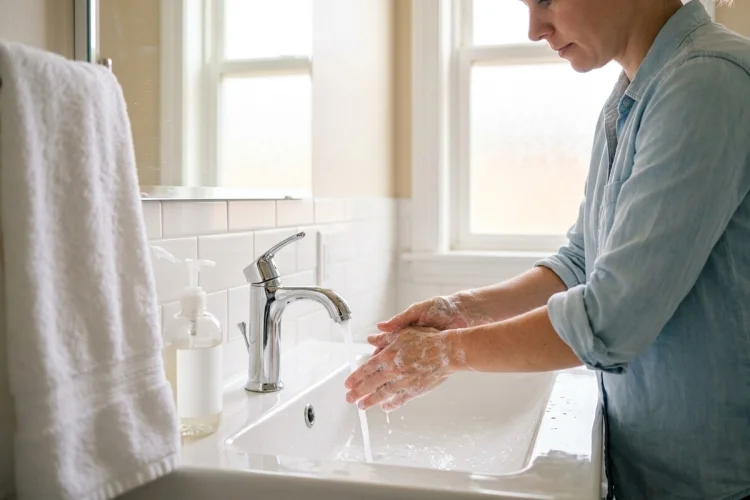
Your hands are busy from the moment you wake up. They touch door handles, phones, pencils, toys, food, pets, taps, and dozens of other surfaces throughout the day.
Even when they look perfectly clean, they may still carry germs that can spread to your face, meals, and other people. That is why learning how to wash your hands properly is such an important everyday skill.
Handwashing with soap and clean running water removes dirt, oils, chemicals, and many types of germs from the skin. It can also reduce the spread of diarrhoeal illnesses and respiratory infections in homes, schools, workplaces, and public spaces.
However, simply placing your hands under a tap for a few seconds is not enough. You need soap, good rubbing, enough time, careful rinsing, and proper drying.
The good news is that the correct handwashing technique is easy to learn. Once it becomes part of your routine, it takes less than a minute and requires no special equipment.
Why Proper Handwashing Matters
Germs can reach your hands when you use the toilet, cough, prepare food, touch an animal, handle rubbish, or come into contact with frequently used objects. They can then travel from your hands to your eyes, nose, mouth, food, or another person.
Soap and water work together to loosen germs, grease, and dirt from the skin. The rubbing action helps lift them from the hands, while running water carries them away.
According to the CDC, washing hands with soap can help prevent around one in three diarrhoea-related illnesses and one in five respiratory infections, including colds and flu.
Handwashing is not about making your skin completely germ-free. That is neither realistic nor necessary. The goal is to clean your hands at the moments when germs are most likely to spread.
When Should You Wash Your Hands?
You do not need to wash your hands every few minutes. Focus on important moments during your daily routine.
Wash before preparing or eating food, feeding another person, treating a wound, or caring for someone who is unwell. In the kitchen, wash before, during, and after food preparation-especially after handling raw meat, poultry, seafood, eggs, or flour.
You should also wash after using the toilet, changing a nappy, blowing your nose, coughing, sneezing, touching rubbish, handling animals, or cleaning up animal waste.
Other sensible times include returning home after travelling, removing visibly dirty gloves, finishing outdoor play, or touching something sticky, greasy, or obviously contaminated.
WHO’s community guidance highlights five especially important moments: before preparing food, before eating or feeding someone, after using the toilet or handling faeces, after coughing or sneezing, and whenever hands are visibly dirty.
The Five Steps for Washing Hands Properly
The CDC summarises proper handwashing in five actions: wet, lather, scrub, rinse, and dry.
Step 1: Wet Your Hands
Place your hands under clean, running water. Either warm or cold water is suitable, so choose a comfortable temperature.
Turn off the tap if possible before applying soap. This can reduce unnecessary water use while you scrub.
Water does not need to be hot. CDC guidance says warm and cold water remove similar amounts of germs when used with soap and a proper washing technique. Water hot enough to kill germs directly would be hot enough to harm the skin.
Step 2: Apply Soap and Create a Lather
Use enough soap to cover both hands. Rub your palms together until the soap forms a lather.
Plain soap works well for normal handwashing. Antibacterial soap is generally unnecessary outside specialised healthcare situations, and the CDC says studies have not shown an added everyday health benefit over ordinary soap.
Both bar soap and liquid soap can be effective. The most important factors are using soap correctly, rubbing every area, and washing for long enough.
Step 3: Scrub for at Least 20 Seconds
Rub your hands together for at least 20 seconds. This is approximately the time it takes to sing “Happy Birthday” twice at a normal speed.
Clean your palms, the backs of your hands, between every finger, around your thumbs, beneath your nails, and across your fingertips. Rub the backs of your fingers against the opposite palm and rotate each thumb inside the other hand.
Do not count the time spent turning on the tap or rinsing. The 20 seconds should describe the actual scrubbing period.
For children, a short favourite song can work as a timer. The song should last about 20 seconds and make the routine enjoyable rather than rushed.
Step 4: Rinse Thoroughly
Rinse your hands beneath clean, running water. Allow the water to carry away the soap, loosened dirt, and germs.
Keep your fingers pointing down when practical so the water runs toward the fingertips instead of back towards the wrists.
Avoid rinsing in a shared bowl of standing water. Clean running water is preferable because previously used water may already contain germs.
Step 5: Dry Your Hands Completely
Dry your hands with a clean towel, disposable paper towel, or air dryer. Do not forget the spaces between your fingers.
Drying is an important part of the process because germs can spread more easily when hands remain wet. The CDC says both a clean towel and an air dryer can be effective, provided the hands are dried completely.
In a public bathroom, you can use a disposable towel to turn off a manual tap after washing. At home, change reusable towels when they become visibly dirty, remain damp, or begin to smell musty.
Common Areas People Forget to Clean
Many people wash their palms carefully but miss smaller areas. The thumbs, fingertips, backs of the hands, spaces between the fingers, and skin beneath the nails are commonly overlooked.
Long nails, artificial nails, watches, bracelets, and rings can make complete cleaning more difficult. Remove jewellery when practical, or carefully wash around and beneath it.
The NHS recommends removing items such as rings and bracelets before washing when possible.
Pay special attention after gardening, cooking, painting, using the toilet, or handling animals. Visible dirt beneath the nails may require gentle cleaning with soap and a nail brush reserved for personal use.
Do not scrub so aggressively that your skin becomes painful. Proper technique depends on full coverage and enough time, not harsh pressure.
Does the Type of Soap Matter?
Expensive soap is not automatically more effective. For ordinary use, plain bar or liquid soap is suitable.
Fragranced products may smell pleasant, but they can irritate sensitive skin. A mild, fragrance-free option may be more comfortable for people with eczema, allergies, or easily dried hands.
Soap does not need to “kill” every germ to work. It helps loosen oils, dirt, and microorganisms so they can be removed during rinsing.
Avoid using surface-cleaning products or disinfecting wipes on your hands. These products are designed for objects and may irritate the skin. Baby wipes can remove visible mess, but the CDC notes that they are not a reliable replacement for proper handwashing.
When Should You Use Hand Sanitiser?
Hand sanitiser is useful when soap and clean water are unavailable. Choose an alcohol-based product containing at least 60% alcohol and check the label before using it.
Apply the amount recommended on the bottle. Rub it across the palms, backs of the hands, fingers, thumbs, and fingertips until the skin feels completely dry. Do not wipe or rinse it away early.
Sanitiser is not as effective when hands are visibly dirty or greasy. It also does not reliably remove every type of germ or harmful chemical, so soap and water remain the better choice in most everyday situations.
Young children should use hand sanitiser under adult supervision. It must never be swallowed, placed near the eyes, or stored where small children may mistake it for food or a drink.
Common Handwashing Mistakes
One frequent mistake is washing for only five or ten seconds. Another is applying soap and rinsing it off without cleaning between the fingers or around the thumbs.
Some people apply soap before wetting their hands, while others forget to dry them. Following the same five-step order every time makes it less likely that an important stage will be missed.
Do not rely on gloves as a replacement for clean hands. Gloves can become contaminated, tear, or transfer germs from one object to another. Wash before putting them on when appropriate and after taking them off.
Excessive washing can also cause dryness and cracking. Use comfortably warm water, choose a gentle soap, dry by patting rather than rubbing roughly, and apply an unscented moisturiser when necessary.
How to Turn Handwashing into a Daily Habit
Good handwashing becomes easier when it is linked to routines that already happen. Wash immediately after using the toilet, before sitting down for a meal, and as soon as you return from outdoor play.
Parents and teachers can place visual reminders near sinks and demonstrate the steps instead of only giving instructions. Children often copy what adults consistently do.
Keep soap, clean towels, and hand sanitiser easy to access. At school or during travel, children can carry a small personal sanitiser with adult guidance for times when a sink is unavailable.
Make the routine positive rather than frightening. Children do not need dramatic stories about dangerous germs. A simple message works better: clean hands help protect you, your friends, and your family.
Learning how to wash your hands properly is one of the simplest ways to support everyday health. Remember the five actions: wet, lather, scrub for at least 20 seconds, rinse, and dry completely.
Wash at the moments that matter most, including before eating, after using the toilet, after coughing or sneezing, and whenever your hands are visibly dirty. When soap and water are unavailable, use a hand sanitiser containing at least 60% alcohol.
Check your technique the next time you visit a sink. Did you clean your thumbs, fingertips, nail areas, and the backs of your hands? Practise the full routine today and turn those 20 seconds into a healthy habit you can use for life.